

















Human Rights Management
At Aditya Birla Group, our corporate practices on human rights management are grounded in internationally recognised frameworks. Through the Group Sustainable Business Framework, which includes Group-level policies, standards, and governance systems, we embed respect for human rights into every aspect of our operations.

Our Approach
Our approach to human rights begins with engaging senior leadership to deepen awareness of the UN Guiding Principles on Business and Human Rights. At the core of our Human Rights Management Standard are three key pillars: a Group-level Human Rights Policy, Human Rights Due Diligence (HRDD), and access to remedy. Every Aditya Birla Group company either adopts the Group Human Rights Policy or implements an equivalent, ensuring its integration across all operations.
Group Human Rights Due Diligence Approach
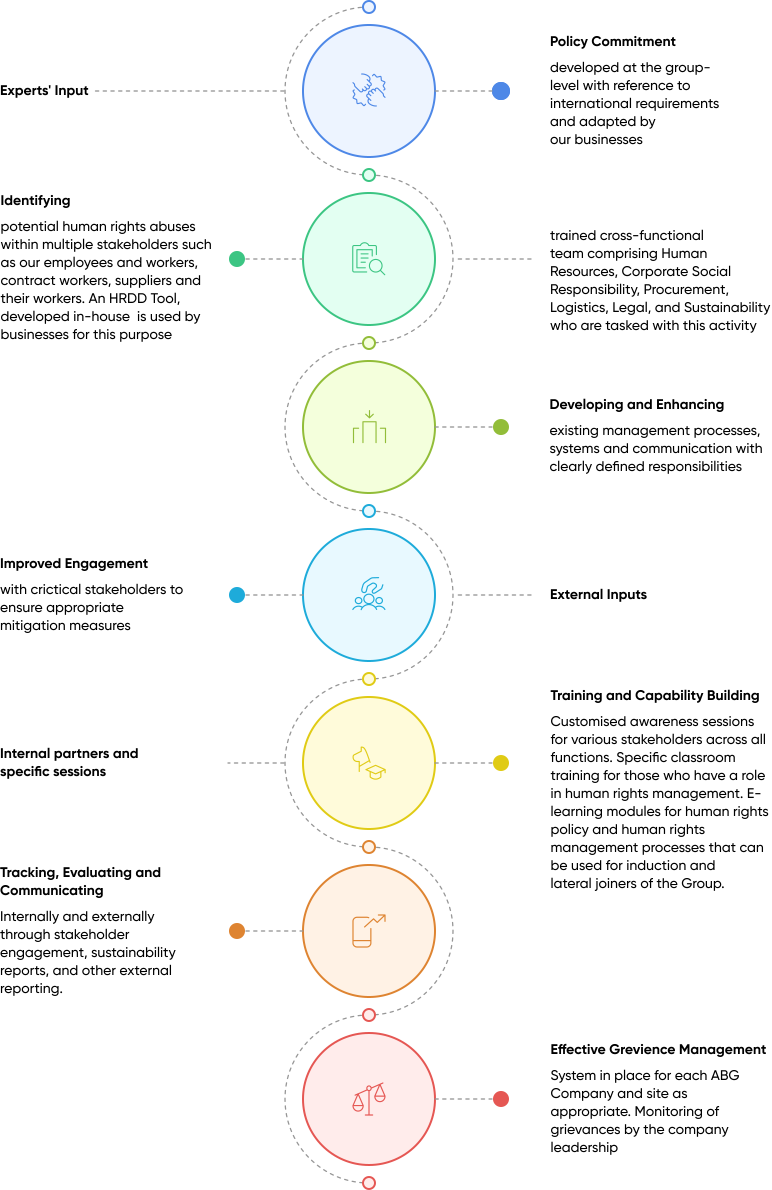
A HRDD tool developed in-house, is being used by the ABG companies for baselining the potential human rights impacts on employees, suppliers, contractors, communities, and customers. The tool is answered by a cross-functional team of each ABG site. This provides an opportunity for ABG companies to create awareness amongst the selected employees tasked with answering the tool, who become mindful about human rights, potential abuses and their linkages to different activities that the site performs.
Aligned with the United Nations' "Protect, Respect, Remedy" framework, our progress in HRM is noteworthy:

Supplier Code of Conduct Compliance
Our Group-level Supplier Code of Conduct mandates suppliers to adhere to human rights management requirements—both legally and in alignment with our business standards.

Proactive Due Diligence
The adoption of the Human Rights Due Diligence (HRDD) tool has significantly increased across multiple Group businesses, reinforcing our commitment to identifying and mitigating human rights risks.

Action-Oriented Management Plans
Sites that have completed the HRDD process are now developing site-specific Human Rights Management Plans. These plans outline key human rights priorities, risk mitigation strategies, assigned roles and responsibilities, and measurable targets to ensure accountability.

Corrective and Preventive Action
Some of our businesses have begun with the process of auditing human rights management that covers systems development, systems implementation and systems effectiveness. Closure of findings of such audits are being monitored through the Corrective and Preventive Action Tracker within Enablon.
Grievance Management
Our Companies have adopted and implemented a robust grievance management mechanism that external stakeholders perceive as a credible and effective channel of communication. The grievance redressal and closure are being reviewed and monitored at various levels of the organisation - site, business, and at the group level through various reviews held at varying frequencies.
The purpose of this mechanism is multifold:
Milestones
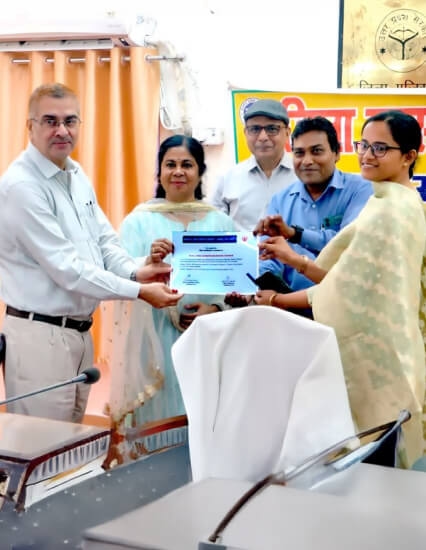
Birla Carbon
Respect for human rights and the elimination of child and forced labour across the supply chain are enshrined in Birla Carbon’s supply chain procurement policy. It ensures that all new vendors are vetted via NAVEX Global’s RiskRate® system and will not engage with any new vendor with a RiskRate® red flag.
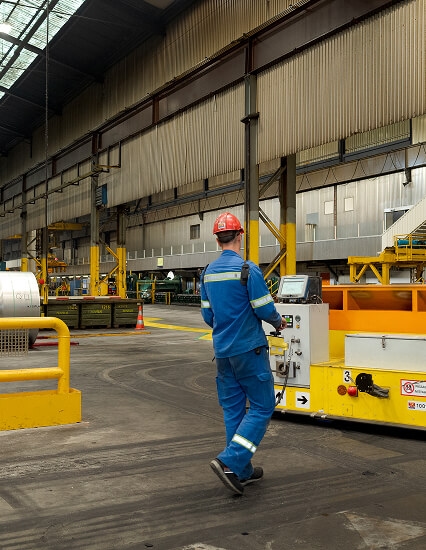
Novelis
As a United Nations Global Compact Signatory, Novelis endeavours to maintain transparent operations and source its materials responsibly. It is also working to increase transparency upstream in its supply chains. For example, in accordance with the German Supply Chain Due Diligence Act, it is implementing a governance programme for its German Novelis entities and is looking to replicate the practices across its global supply chain.

Hindalco
In FY23, assessed 100% of its plants and offices for various human rights aspects and no significant risks were identified. It also created a Human Rights Due Diligence Tool that is being piloted at its Utkal unit. Based on tne feedback, it will be implemented across other units of the company.