






Circularity
At Aditya Birla Group, we prioritise circularity to drive innovation through alternative materials, renewable energy, and extended product life cycles to cut emissions, lower our carbon footprint, and advance decarbonisation goals.
Our Journey towards Waste to Wealth
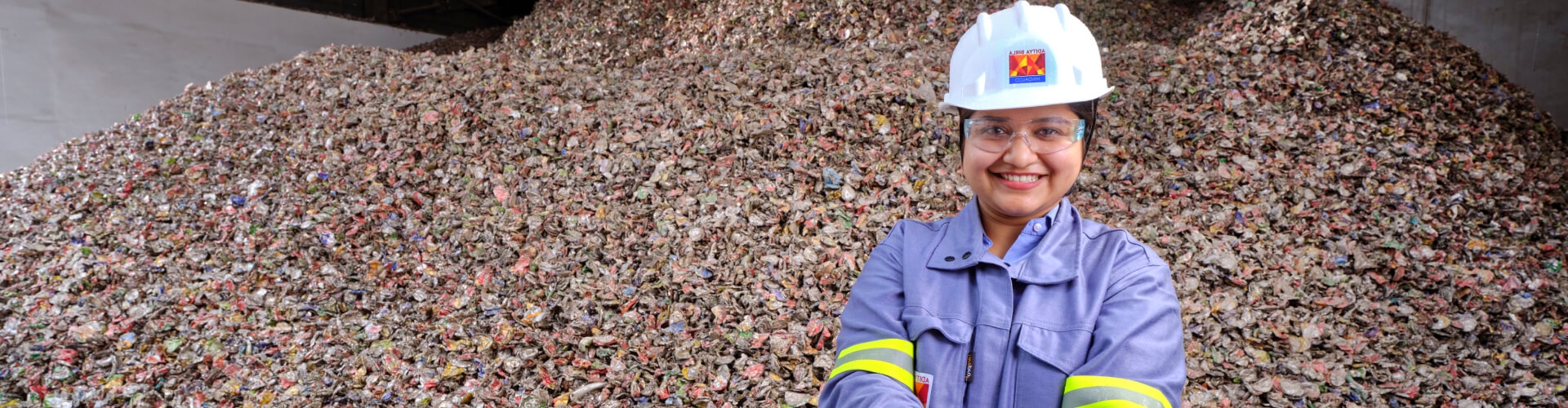
As a global conglomerate with operations across multiple sectors and geographies, we have set an ambitious Zero Waste to Landfill by 2030 target subject to local waste reuse and recycling regulations.
We go beyond waste mitigation to strategically:

Conserve natural resources
Enhance resource efficiency

Reduce dependence on finite materials

Lower supply risks
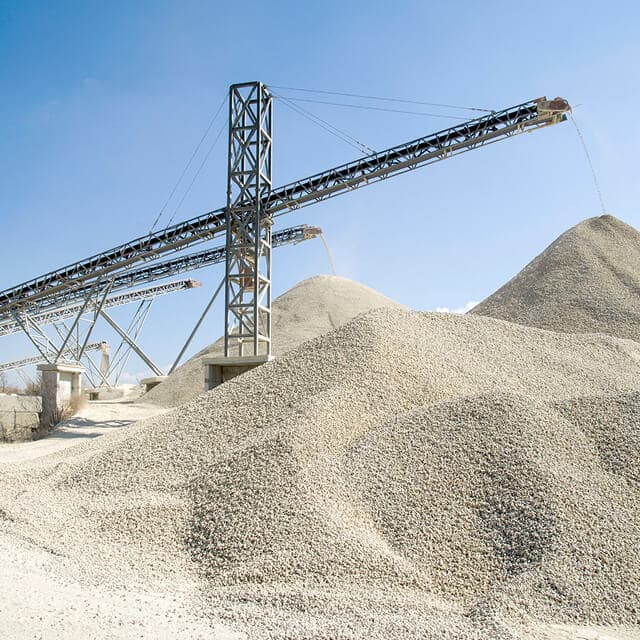
Strengthen long-term resource security
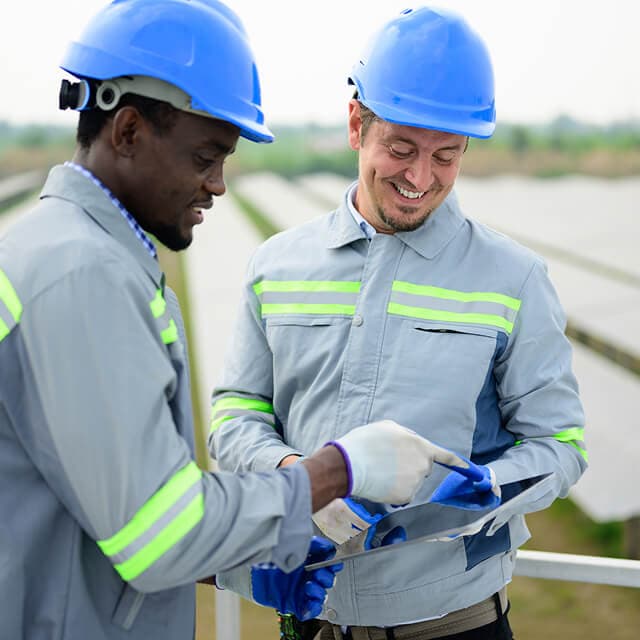
Support cost-effective, sustainable operations
Each business has customised circularity targets quantitative, qualitative, and material-specific aligned with its unique context and market.
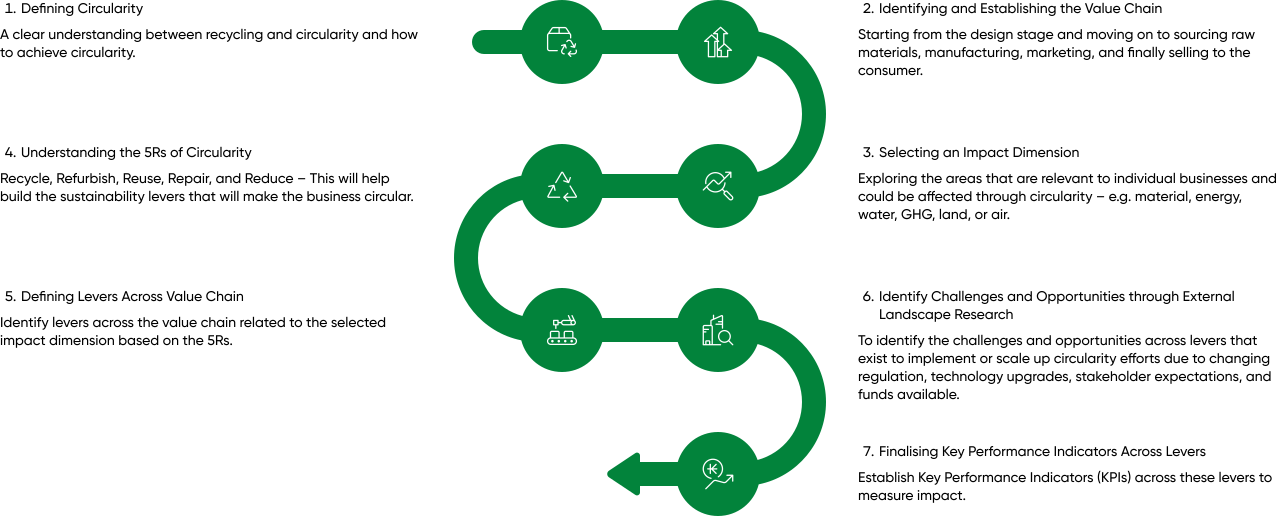
Circularity Framework
Collaborations and Engagements Driving Circular Innovations
A key enabler in the circularity journey is proactive engagement with various stakeholders and learning from experts. Our businesses proactively collaborate with academia, start-ups, recyclers, institutions, technology providers, and esteemed peer organisations to jointly develop innovative solutions propelling our journey towards circularity. Some of our strategic partnerships helping us progressing in circularity.





Building Circular Brands
Our businesses are increasingly embedding circularity into the products and brands that reach customers. This involves making products and services more circular by using recycled or traceable materials, reducing production waste, and creating systems that enable reuse and recovery at the end of a product’s life. By doing so, we are not only lowering environmental impact but also offering customers choices that are more sustainable and responsible. These initiatives reflect the Group’s effort to make circularity visible and practical in the marketplace, moving beyond operations into consumer-facing impact.
1. Advanced Material : Recyclamine - Recycle & Reuse
The product is developed by a patented recycling process for composites made with Recyclamine® which enables efficient recovery of both fibres and thermoplastics from manufacturing and end-of-life waste. Using a simple solution at around 100°C, the process is low-energy, cost-effective, and preserves material quality.
Recovered fibres match the performance of virgin fibres, while reclaimed thermoplastics can be reused or compounded to create new products. This innovation not only closes the loop but also creates real value, making Recyclamine® a smart, sustainable choice.
2. ABFRL : Take-Back Programmes at Peter England and American Eagle
To promote circularity and reduce fashion waste, Peter England and American Eagle launched take-back programmes across multiple cities in India. Customers were encouraged to return their old garments at nearby stores, making sustainable disposal simple and accessible.
Collected clothes were then repurposed and donated to NGOs, extending their life and impact. Successfully rolled out across 361 stores, the initiative is a step towards embedding circular practices in our retail value chain.
3. Novelis : Expanding Closed-Loop Recycling
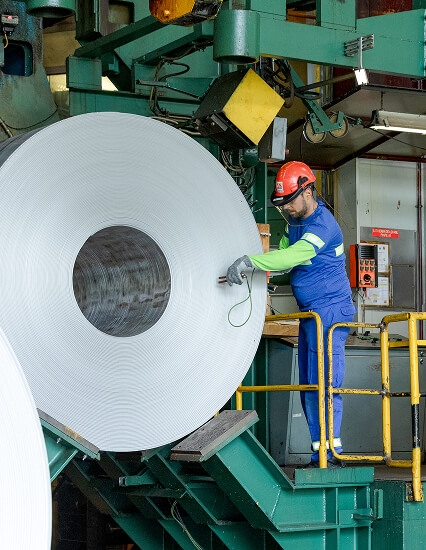
Aluminium’s infinite recyclability is central to circularity in the automotive industry. At Novelis, we collaborate with leading OEMs to establish closed-loop recycling systems that recover aluminum scrap from stamping processes and return it to the manufacturing line as high-quality new coils.
Maintaining alloy integrity through scrap sorting and segregation is critical, enabling us to reduce reliance on energy-intensive raw materials and cut carbon emissions. In FY24, Novelis achieved 63% recycled content globally and is now targeting 75% by 2030 as part of its 3x30 vision. These efforts are driving long-term value and sustainability across automotive and other sectors.
4. Birla Carbon : Closing the Loop with Continua™
Continua™ Sustainable Carbonaceous Material (SCM) is Birla Carbon’s flagship recovered carbon black product, designed to advance a circular carbon economy. Extracted from end-of-life tyres and repurposed into new products like rubber compounds, Continua™ enables the reuse of carbon black while reducing environmental impact.
Birla Carbon’s R&D teams are actively collaborating with customers to enhance the performance of Continua™ in real-world applications. Over the past year, four production trials using recycled and bio-derived feedstocks led to the successful production of both ASTM and non-ASTM grades of carbon black. These efforts are scaling up sustainable carbon solutions for broader market adoption.
In parallel, Birla Carbon is exploring low-carbon pathways, including CO₂ capture and the development of zero-emission carbon products. With most manufacturing sites being energy positive — either reintegrating energy into operations or supplying it to the grid — Birla Carbon is reinforcing its commitment to sustainable industrialisation and resilient infrastructure.
5. Birla Cellulose : NextGen Circularity Solutions
Birla Cellulose continues to push the boundaries of circularity through cutting-edge textile waste recycling technologies. As part of its commitment to a circular economy, the business has invested in R&D-led solutions that are designed to radically reduce climate and biodiversity impacts while enhancing resource efficiency and material reuse.
These innovations focus on optimising inputs like agricultural waste and scaling the reuse of post-industrial and post-consumer textiles. Some of the key NextGen solutions include:
- Liva Reviva Fibres: Made using 30% pre-consumer textile waste, supporting fibre-to-fibre circularity.
- Nanollose-based Lyocell Fibres: Derived from agro-industrial waste streams, offering a high-value use for by-products.
- Birla Excel™ Lyocell: Manufactured through a closed-loop, environment-friendly solvent recovery process, ensuring ethical and sustainable production.
- Agri-waste Project: Converts unutilised agricultural waste into high-quality pulp for fibre manufacturing.
- Livaeco Fibres: Enable end-to-end traceability across the value chain through blockchain integration, supporting transparent and responsible sourcing.
These innovations are at various stages of commercialisation and reflect Birla Cellulose’s long-term vision of advancing low-impact, regenerative, and traceable material solutions.
To explore the Group’s wider portfolio of sustainable and low-impact products, visit the Greener Products chapter.
Key Progress
Hindalco, Birla Cellulose (Pulp & Fibre division), Novelis, and Chemicals business are making concerted efforts towards their Zero Waste to Landfill status and their actions over the years:
UltraTech Cement
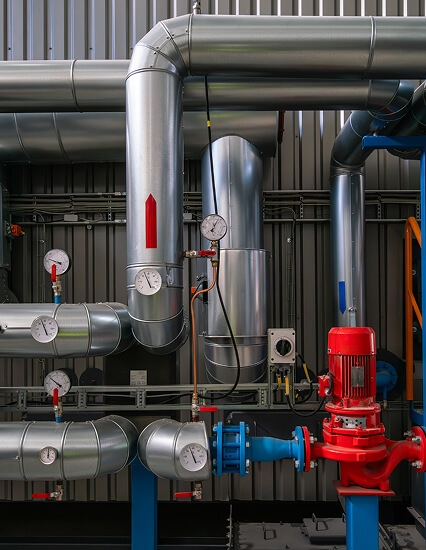
Uses municipal solid waste and industrial waste as alternative fuel for co-processing.
Increase the use of alternate materials like fly ash, gypsum, slag, and red mud to replace natural limestone.
Impact
Birla Cellulose
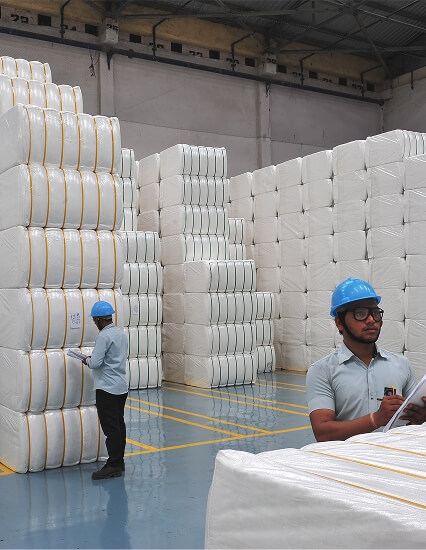
Development of alternative applications to reduce solid waste by 25% by 2030.
Grow circular product volumes to over 100,000 tonnes per year, with continuous improvement driven by the use of pre- and post-consumer waste and alternative feedstock
Impact

Birla Carbon
Repurpose 75% of waste including recycling, reuse, and recovery by 2030.
Impact
Grasim
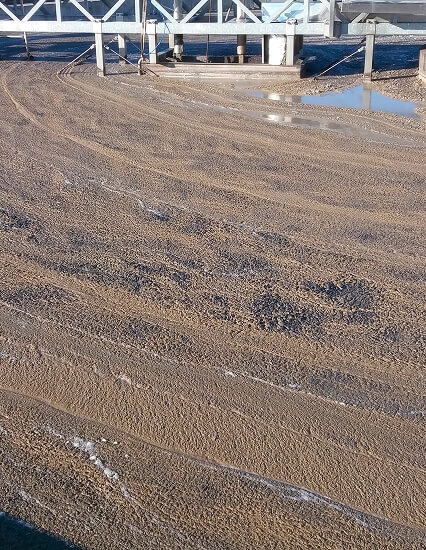
100% utilization of ETP sludge (Gypsum) and cellulosic waste in co-processing for cement industries rather than total disposal in landfill to be done by FY25.
Impact
Hindalco
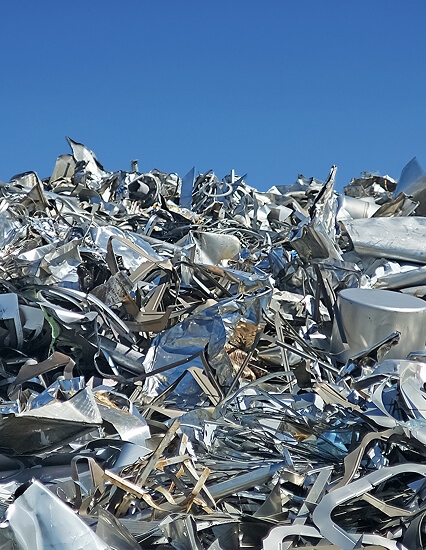
The company has a year-on-year target of 5% for recycling and reusing generated waste to achieve the Zero Waste to Landfill goal by 2050.
Impact
Novelis
20% reduction in waste to landfill by 2026.