






Water Resilience
At Aditya Birla Group (ABG), water stewardship philosophy recognises water’s critical role in sustaining life, ecosystems, and business operations. Given the Group’s sectors and geographies of operations, our ability to sustain and thrive is closely linked to having reliable access to water. We are committed to sustainable water management in our watersheds of operation by reducing our own freshwater consumption, maximizing rainwater harvesting.


Our Journey
We are committed to continuously reduce our freshwater consumption and enhance water positivity in the context of water risk being faced at our locations and make our mining areas water positive which eventually contributes towards Nature Positive. We are guided by our objective of maximising the impact by prioritising the high-water risk locations. See how we’re advancing our journey in our latest sustainability reports.
Our Approach
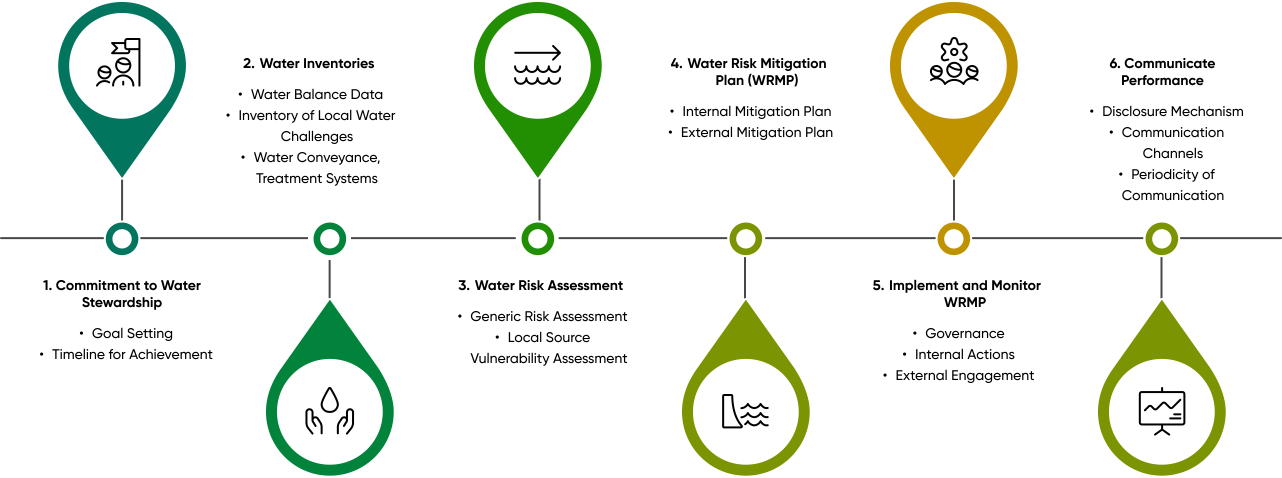
The 6-step approach towards water stewardship is risk based. It is intended to protect and conserve water resources through excellent water management practices and governance systems at all our locations. The site-based water risks, physical/ regulatory and stakeholder expectations are used as the prioritisation criterion for water management targets and actions.
Impact Highlights
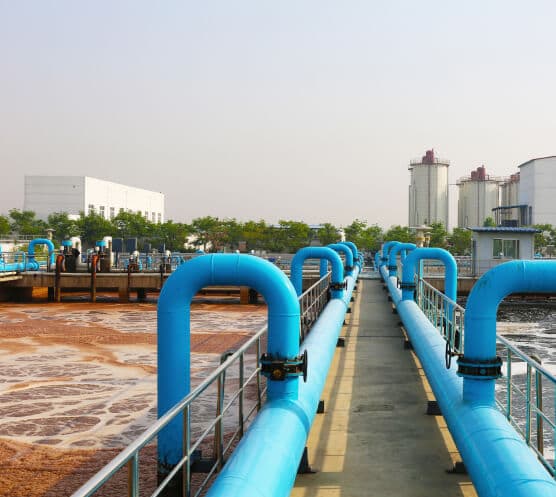
1. Water used for manufacturing
- Efficient use of freshwater – improve efficiency, cut down on losses, reuse & recycle, and product innovation.
- Development of alternate sources of water.
- Additional treatment for improving the quality.
- Exploring collaboration and partnerships, implementing pilots for testing new technology.
2. Water used for human use
- WASH - access to clean drinking water and hygienic sanitation facilities for all employees.
- 100% compliance to the WASH guidelines of the Group.
- Reusing treated sewage water in landscaping and other uses.
3. Storm Water
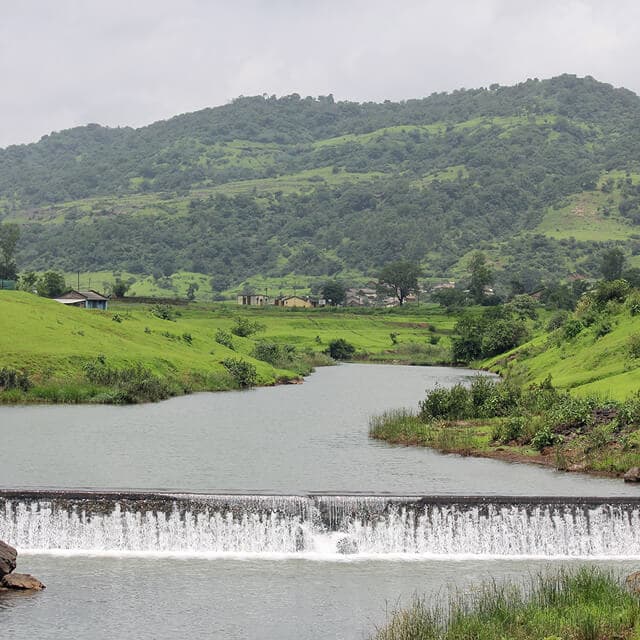
- Designing and developing resilient water infrastructure against disasters and for additional storage.
- Rejuvenating watersheds.
- Water conservation such as rainwater harvesting and artificial aquifer recharge.
Water Centre of Excellence
To realise our ambitions towards Water Stewardship, we work through the ABG Water Centre of Excellence (WCoE). The purpose of the Centre is to support ABG businesses in becoming sector leaders in Water Stewardship Excellence and Water Security through conservation and management of water resources in a holistic manner.
x % reduction in Freshwater consumption per ton of product.
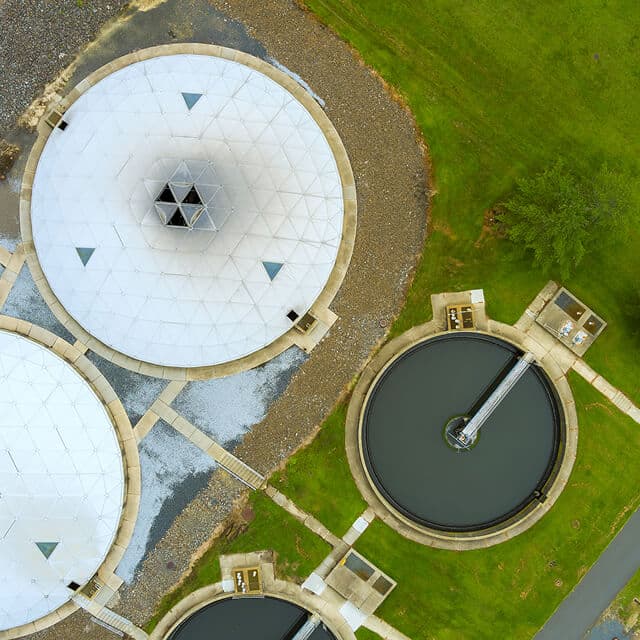
Hindalco Copper and Birla Cellulose Fiber have achieved the target by reduction in freshwater by 57 percent and 55 percent respectively.
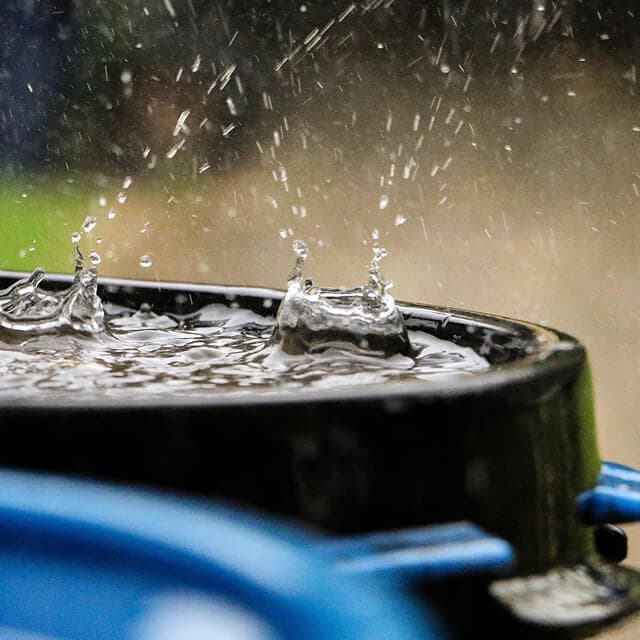
ABFRL recycled 76% of its water in FY24, compared to 68% in FY23, and has attained water positive status.
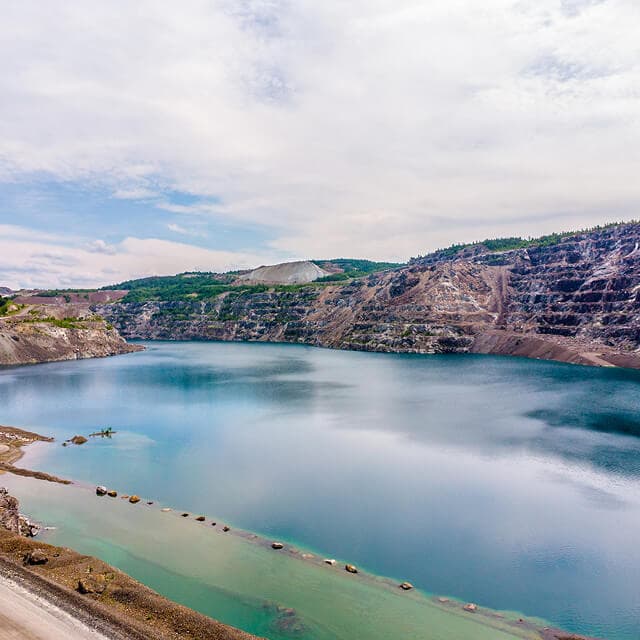
24 out of 31 mines have achieved water positive status.
In FY25, UltraTech Cement achieved a water positivity ratio of 4.9 times
Grasim Chemicals business achieved an 18% reduction in freshwater consumption the end of FY25.
Significant Milestones
Through advanced water recycling systems and significant reductions in freshwater dependency, we’re setting benchmarks for sustainable water management.
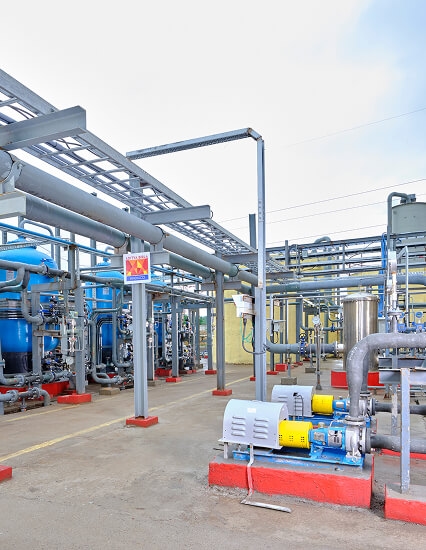
Hindalco, Kuppam
Harvesting Rainwater for Water Positivity
The Kuppam unit set up a rainwater harvesting system with five structures and a capacity of ~7,200 KL per annum.
Impact
Through this initiative, we reduced the dependency on freshwater sources by ~25% of total annual consumption.
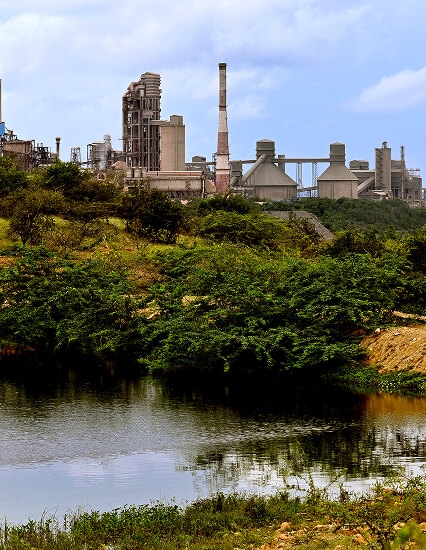
UltraTech Cement, Roorkee
To address high freshwater consumption and system inefficiencies at the Roorkee facility, UltraTech implemented a three-pillar strategy: employee awareness campaigns promoting water conservation; infrastructure upgrades to address root causes and enable continuous monitoring; and increased use of STP-treated water for non-potable applications like dust suppression.
Impact
The initiative led to an 11.89% reduction in freshwater use, enhanced operational efficiency, and reinforced our commitment to responsible water stewardship.
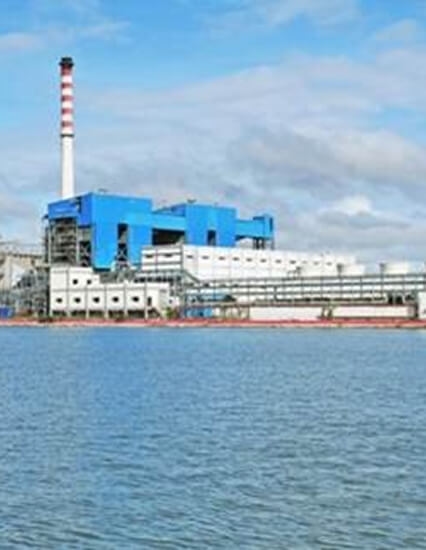
Grasim - Birla Cellulose, Vilayat
Advanced Reuse Strategies to Meet EU-BAT Standards
Grasim Cellulose Division (GCD) at Vilayat has invested in improvements to meet rigorous European Union Best Available Technology (EU-BAT) standards.
Deployment of advanced Reverse Osmosis (RO) systems to reclaim and reuse up to 70% of process water from diverse effluent sources.
Impact
Remarkable 70% reduction in water intensity from the FY2016 baseline