














Biodiversity Management
At Aditya Birla Group, we value our reliance on ecosystem services and recognise our impact on local ecology. We integrate biodiversity considerations into our decisions to minimise impact and support responsible development.


Our Approach
As a global conglomerate, we are committed to protecting biodiversity by avoiding conversion or degradation of critical habitats and sensitive ecosystems, and by striving for No Net Loss (NNL) wherever impacts occur.
We go beyond compliance to:
- Apply the mitigation hierarchy – avoid, minimise, restore, offset
- Promote like-for-like offsets near the area of impact
- Establish NNL measures before or alongside new projects
- Restore degraded ecosystems and track biodiversity gains against local baselines
- Monitor progress at local, national, and global levels
Each business sets biodiversity targets tailored to its operations, geography, and ecological context.
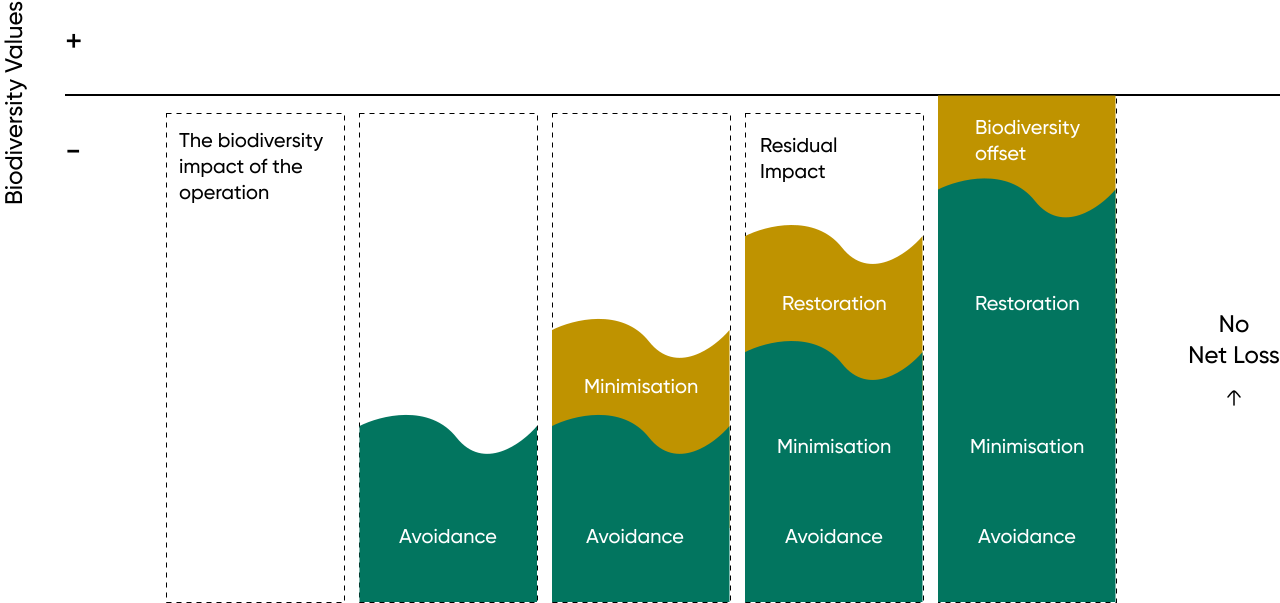
At the core of this ambition, there is a robust framework encompassing five stages of Biodiversity Assessment and Management
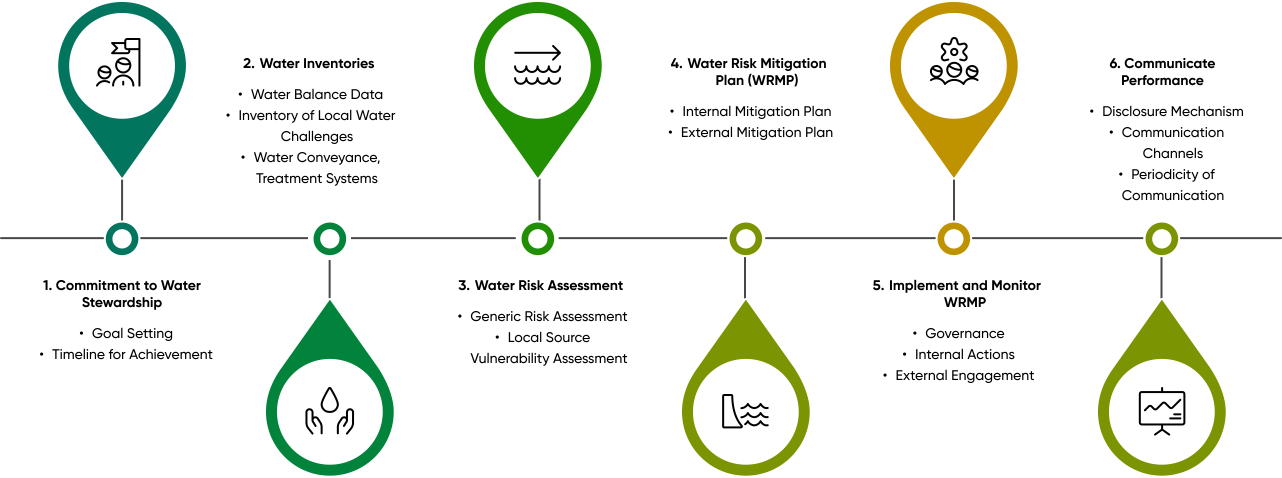
Through these steps at our key locations, we actively engage in the preservation, conservation, restoration, and rejuvenation of habitats for diverse species to progress No Net loss at all our sites.
Ongoing Efforts
Beyond ‘No Net Loss’, Group companies are also striving to be Nature Positive—actively enhancing and restoring biodiversity. By aligning targets across water, biodiversity, and emissions, we aim to create harmony with both living and non-living ecosystems, benefiting our facilities and influencing our value chains.
Hindalco
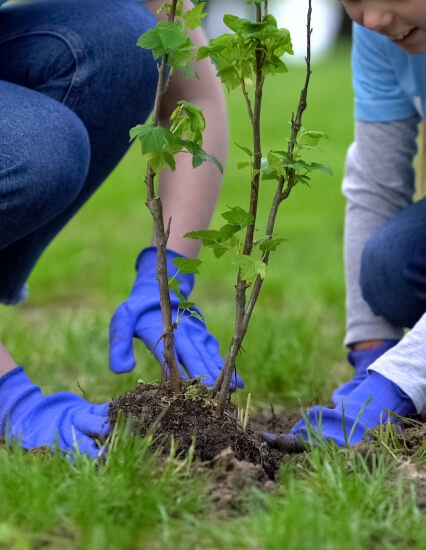
Hindalco has set an ambitious long-term goal: to achieve No Net Loss of biodiversity by 2050. The Company has outlined short-, medium-, and long-term targets that offer a structured roadmap to integrate biodiversity conservation into every facet of operations. Aligned with TNFD disclosures, the organization has identified nature related impacts and dependencies using TNFD’s Locate-Evaluate-Assess-Prepare (LEAP) nature risk assessment approach.
Ultratech
UltraTech has integrated biodiversity protection into operational planning, guided by a No Net Loss commitment and the principles set out in the group policy. Through habitat conservation, scientific assessments, and land restoration, UltraTech aims to minimise ecological impact and ensure our land use practices support long-term environmental resilience.

Grasim
Grasim’s Cellulosic Fibres business secured the top global position among MMCF producers in the 2024 Canopy Hot Button Report, earning the prestigious Dark Green Shirt’s leadership rating for the fifth consecutive year. This recognition underscores the Company’s consistent leadership in eliminating ancient and endangered forest fibres and advancing next‑generation sustainable textile solutions. The company sources wood pulp from FSC-certified forests, adheres to sustainable forestry practices, and operates with a unique reverse logistics system to collect textile leftovers.
Sustainable Mining
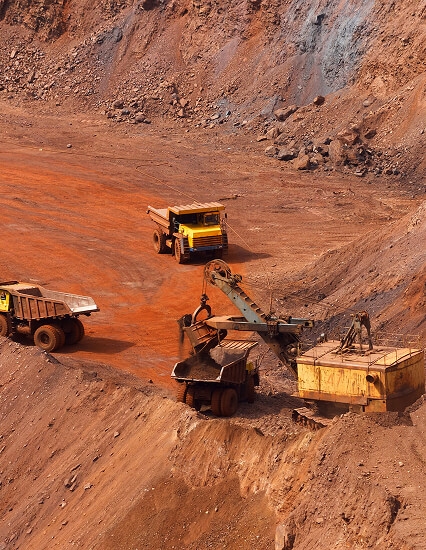
Mining is a key part of our operations, and we are mindful of its potential impact on biodiversity and local ecosystems. The Responsible Mining Charter helps guide our efforts to carry out mining activities responsibly, with attention to land use, ecological sensitivity, and post-closure restoration. It sets out clear expectations for our sites, encouraging practices that reduce environmental impact and support the protection of biodiversity.
Hindalco
Development of the ‘Sustainable Mining Charter’ to enable responsible mining
Impact
Hindalco created the sustainable mining approach for responsible sourcing of bauxite and coal from their captive mines and through sustained efforts. This Charter is helping mining teams appreciate the impact of mining operations on environmental and socio-economic aspects through a detailed system-thinking approach.
Essel Mining
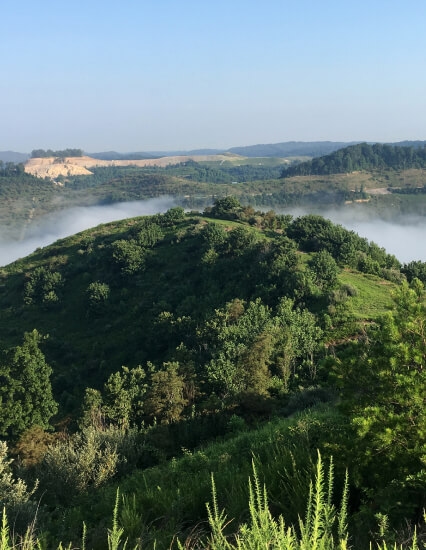
Inclusion of best management practices for surface mine reclamation
Impact
EMIL has been successfully implementing reclamation plans for their recently closed open cast mines in Jilling Langalota Iron & Manganese Mines and Kasia Iron Mines. Similarly, the mine reclamation and afforestation process are also implemented in a continuous, methodical and progressive manner in existing mining operations in Koira Iron Mines, Bhubaneswari Coal Mining Limited (BCML) in Odisha and Rajmahal Coal Mining Limited (RCML) in Jharkhand.